Northampton Roof Materials: Collyweston Slate, Welsh Slate and Clay Tiles
Look up at your own roof for a second. The stuff up there says a lot about your house, when it was built, who built it, and how much care it still needs from you.
Northampton roofs are a mixed bunch. Walk from a Victorian terrace near the town centre out to an older village property on the edge of the county and you'll pass three or four completely different roof coverings, each one asking to be looked after in its own way.
The quick answer: Northampton homes tend to wear one of three roof coverings, Collyweston stone slate on older and higher-status buildings, Welsh slate on the town's Victorian terraces, and clay or concrete tiles on newer housing. Each ages differently, and each needs a gentle, low-pressure clean rather than a blast, so the surface stays intact.
1. Collyweston stone slate, the county's own roof
Collyweston slate isn't slate in the Welsh sense. It's a fissile limestone quarried in the northeast of Northamptonshire, near the village of Collyweston itself, and it's been roofing local buildings for centuries. You'll spot it on churches, old farmhouses, and period cottages around the county.
The old way of making it was strange and clever. Quarried blocks got left out over winter so frost could split them into thin roofing pieces, a process the trade called frosting. That gives you an uneven, characterful roof with small slates at the ridge and bigger ones lower down.
Here's my honest opinion. A Collyweston roof is one of the nicest things you can have over your head in this county, but it's also the one that punishes rough handling the most. The limestone is soft. High pressure strips it, so moss removal on these roofs has to stay gentle.
2. Welsh slate on Northampton's terraces
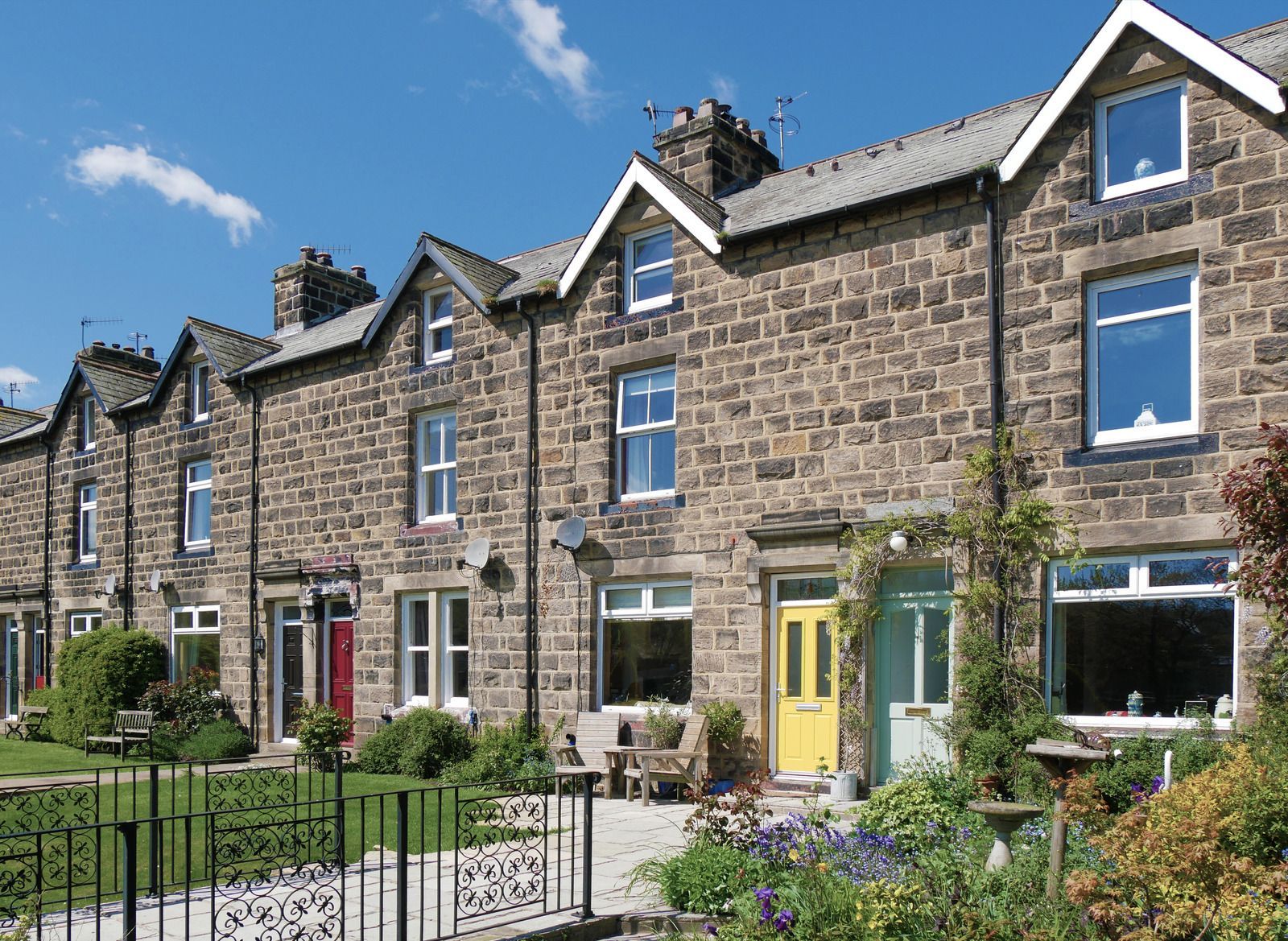
The long rows of terraced houses that went up during Northampton's boot and shoe boom were mostly roofed in Welsh slate. Once the Victorian railways could haul it cheaply from north Wales, slate became the standard covering for workers' housing right across the town.
Welsh slate is tough and thin, and a good one can last well over a hundred years. Plenty of those original terrace roofs are still up there doing their job. But the nails holding them, the timber battens behind them, and the mortar around the ridges all age faster than the slate does.
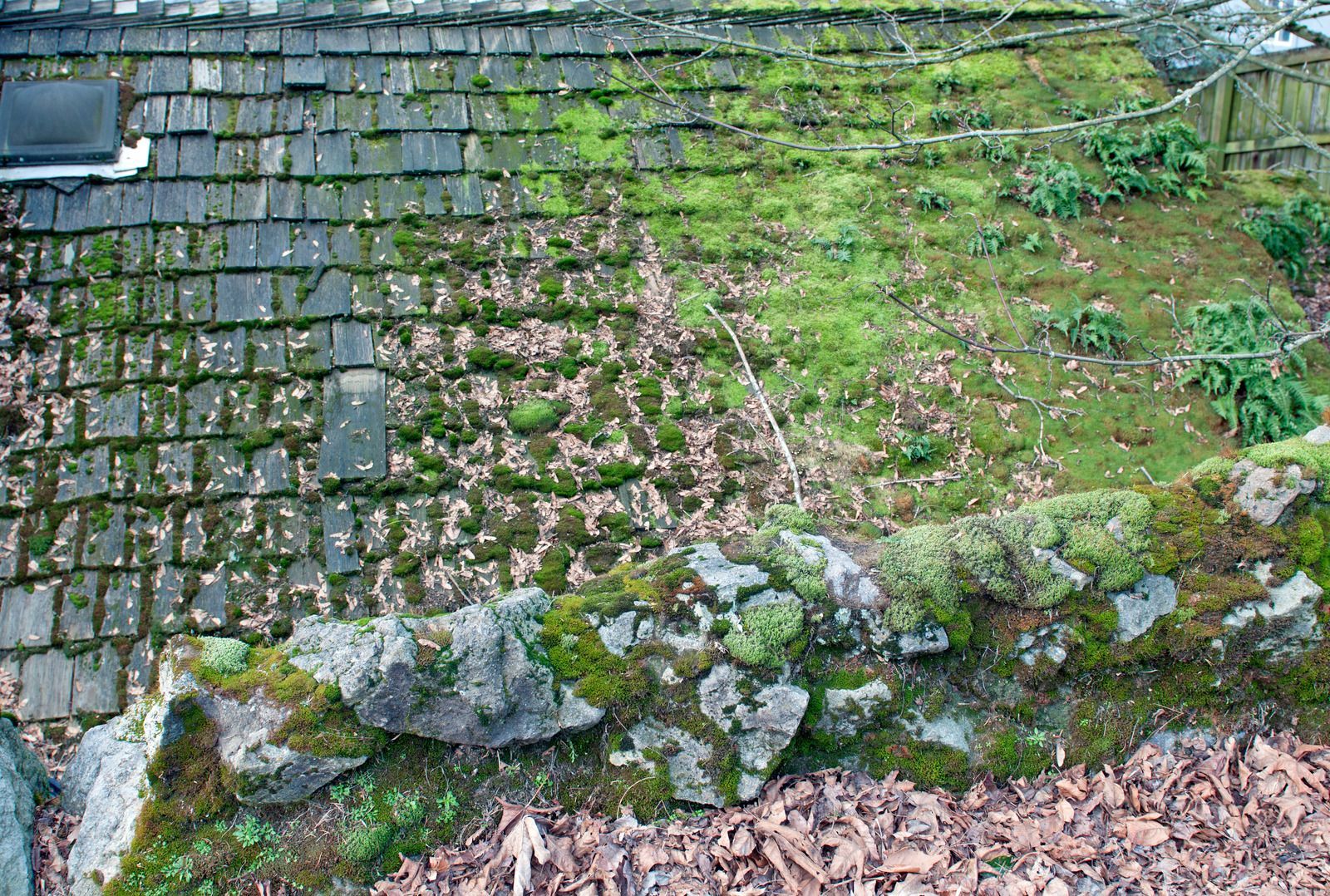
On these roofs the slate itself rarely stains badly. It's the shaded, north-facing slopes on those tight terrace streets where moss builds up in the joints and starts lifting the edges.
3. Clay and concrete tiles on newer homes
Head out to the estates around Northampton, places built from the mid twentieth century onward, and clay or concrete interlocking tiles take over. Red clay has a long history in this part of the Midlands, and the warm orange of local brick and tile is part of what the area looks like.
Concrete tiles are cheaper and heavier. They soak up water more readily than clay, which means they hold damp longer and give moss an easier home. Over twenty or thirty years the surface coating wears thin and the tile gets rougher.
That roughness matters. A rough tile grips dirt, spores, and moss far better than a smooth one, so newer concrete roofs often look grubby sooner than you'd expect.
4. How our damp Midlands weather wears each one
Northampton sits well inland, away from any coast, in a low-lying patch of the East Midlands with the River Nene running through it. We don't get battering sea storms. What we get instead is steady, moderate rainfall and long damp spells that never fully dry a roof out.
That's the real enemy up there. Constant low-level damp feeds moss, algae, and lichen far more than the odd heavy downpour ever would. A roof that stays wet for days is a roof that grows things.
Each material copes differently. Porous Collyweston limestone and concrete tile both hold water, so they grow moss quickest. Dense Welsh slate sheds water fast and stays cleaner, until debris collects in the valleys and gives moss somewhere to root.
5. Cleaning each roof without wrecking it
The mistake I see most often is someone taking a pressure washer to an old roof because it worked on their patio. On Collyweston limestone that can blow the surface off the slate. On aged concrete tile it strips what's left of the coating and speeds up the wear.
The safer method across all three coverings is soft washing. That means low-pressure water paired with a biocide that kills the moss and algae at the root, then lets the weather rinse the dead growth away over the following weeks. It's slower to look finished, but it's kinder to the roof.
Different coverings need slightly different care on the day. Here's the short version:
- Collyweston stone slate: low pressure only, gentle moss removal by hand and biocide, never a high-pressure blast.
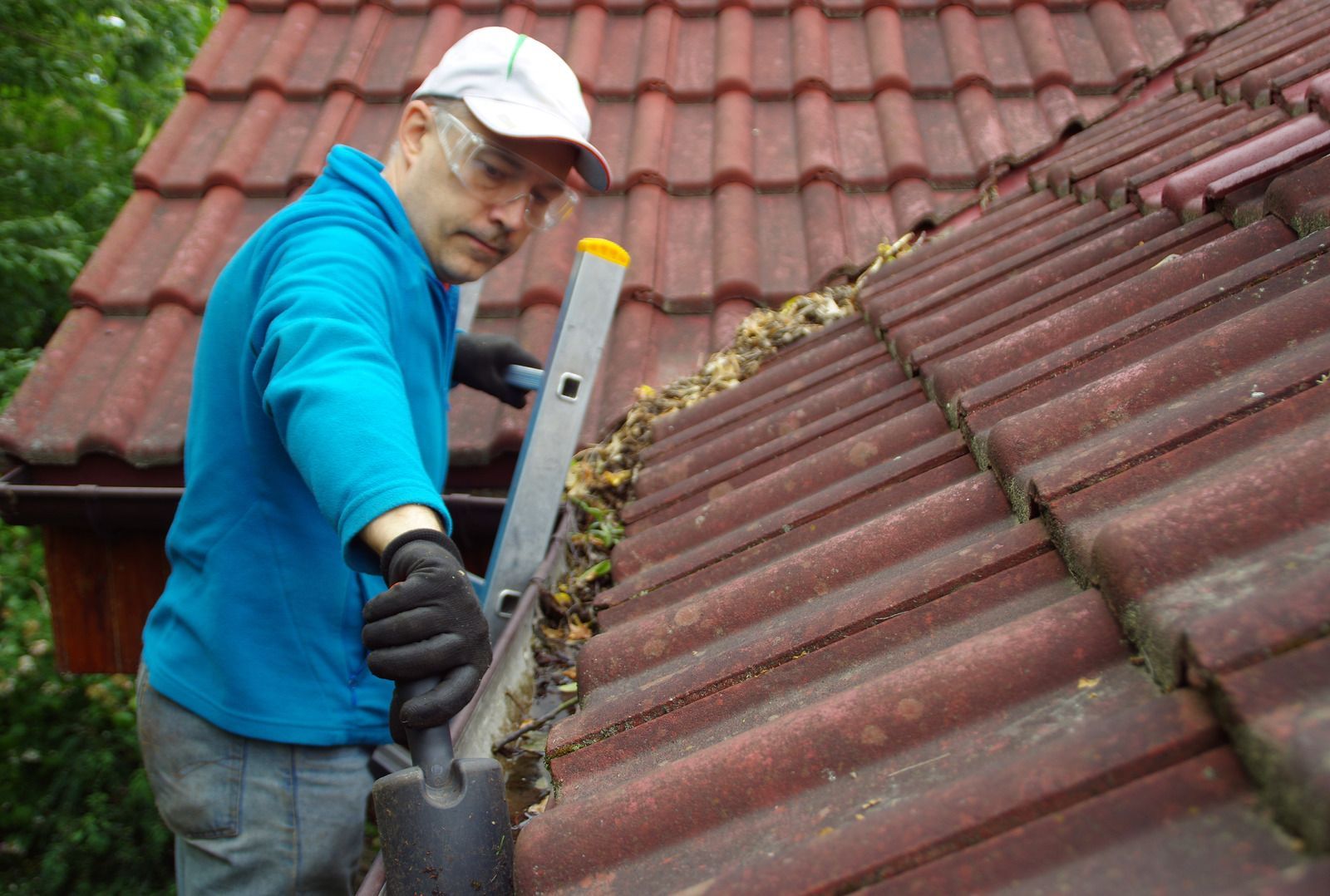
- Welsh slate: clear the debris from valleys and joints first, then treat the shaded slopes where moss sits.
- Clay tiles: soft wash and biocide, taking care around older, more brittle tiles.
- Concrete tiles: treat early and often, because the porous surface reclaims moss faster than clay.
6. Why the right method protects your home's value
A roof is the most expensive thing on your house to replace. Anything that quietly shortens its life, like moss lifting slates or holding water against the tiles, is worth stopping early.
On Northampton's terraced streets, where houses sit shoulder to shoulder, one clean roof stands out and one green one drags the whole row down. Keeping yours in good order is as much about the street as it is about you.
And it's simple maths in the end. A gentle clean every few years costs a fraction of a re-roof, and it keeps the covering you've got doing its job for longer.
Frequently Asked Questions
How do I know if my Northampton roof is Collyweston slate or Welsh slate?
Collyweston is thick, uneven, and pale grey-brown with smaller pieces near the ridge. Welsh slate is thin, flat, dark, and very regular. If you're near a period cottage or church, it's more likely Collyweston.
Is pressure washing ever safe on these roofs?
Not on old stone slate or aged tile. High pressure removes surface material and can crack or dislodge pieces. Low-pressure soft washing is the safer route on every covering we've mentioned.
Why does the moss keep coming back after cleaning?
Our damp inland climate and shaded terrace slopes give moss ideal conditions. A biocide treatment slows regrowth, but no roof in Northampton stays clear forever, so a repeat clean every few years is normal.
Can you clean my clay tiles without walking on them?
Much of the work is done from ladders, roof edges, and access equipment rather than treading on brittle tiles. Older clay especially is handled with care to avoid cracking.
How often should a Northampton roof be cleaned?
It depends on shade, tree cover, and the material, but every three to five years suits most local homes. North-facing and tree-shaded roofs may need it sooner.
Not sure what's on your roof or how to look after it?
Ben's Roof Cleaning works across Northampton and Northamptonshire, with over 15 years of experience. Get in touch or call 01604 213223
for a free, no-obligation quote.
The right clean depends on the roof over your head
Northampton's roofs carry the county's history, from frost-split Collyweston limestone to Victorian Welsh slate and the clay tile of the estates. Knowing which one you've got tells you how to treat it. Match the method to the material, keep the pressure low, and the roof over your head will keep earning its place for years yet.