Why Moss Takes Hold on Northampton Roofs (and How to Stop It)
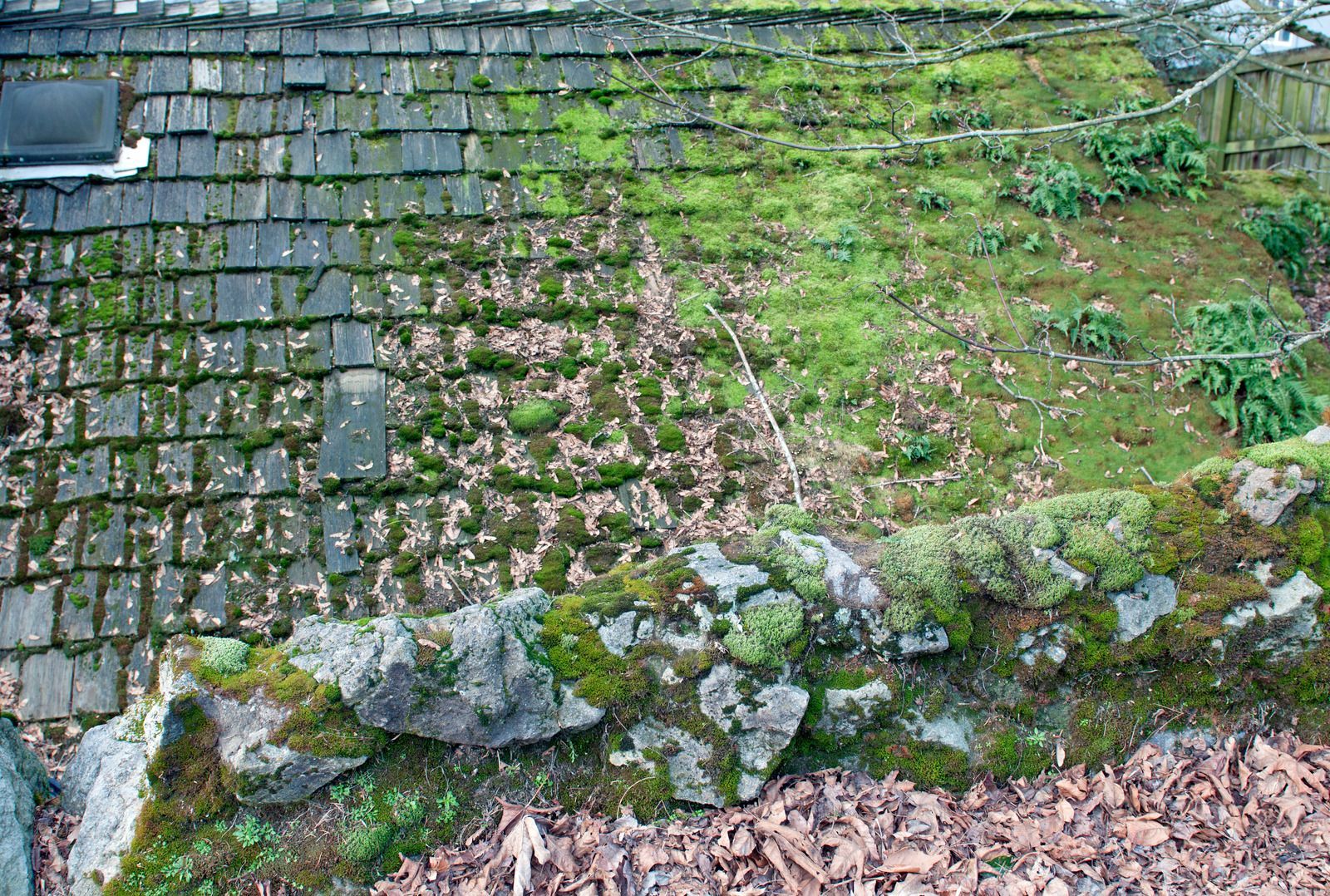
You've probably noticed the green creeping across your roof and wondered where it came from. One year the tiles look fine, the next there's a soft green carpet spreading down the north slope.
Moss doesn't turn up by accident. Northampton gives it exactly the conditions it likes, and once you understand why, keeping it in check gets a lot easier.
The quick answer: Moss takes hold on Northampton roofs because our inland Midlands climate keeps roofs damp for long stretches, and shaded, north-facing slopes on tight terrace streets never dry out properly. Spores settle, feed on the damp and trapped dirt, and spread. A low-pressure soft wash with biocide clears it and slows it coming back.
1. Our damp inland climate is the real culprit
Northampton sits deep inland in the East Midlands, with the River Nene threading through the low ground of the town. There's no drying sea breeze here. Instead we get steady, moderate rainfall spread through the year and plenty of grey, humid days.
Moss loves that. It doesn't need much water, but it does need constant damp, and a roof that stays wet for days on end is a perfect nursery. The rain isn't heavy enough to wash spores away, just frequent enough to keep everything moist.
That's the trap. Our weather rarely batters a roof clean, and rarely bakes it dry. It just keeps it slightly wet, which is the one thing moss asks for.
2. North-facing slopes barely see the sun
Every pitched roof has a slope that gets less light than the others. On a north-facing pitch the sun never lands square on the tiles, so morning dew and overnight rain sit there for hours longer than on the sunny side.
Look at almost any Northampton house and you'll see it. The south slope stays fairly clean while the north slope goes green. Same roof, same weather, completely different amount of moss.
That shaded, slow-drying strip is where nearly every moss problem starts. It's the first place I check and usually the worst.
3. Tight terrace streets trap shade and damp
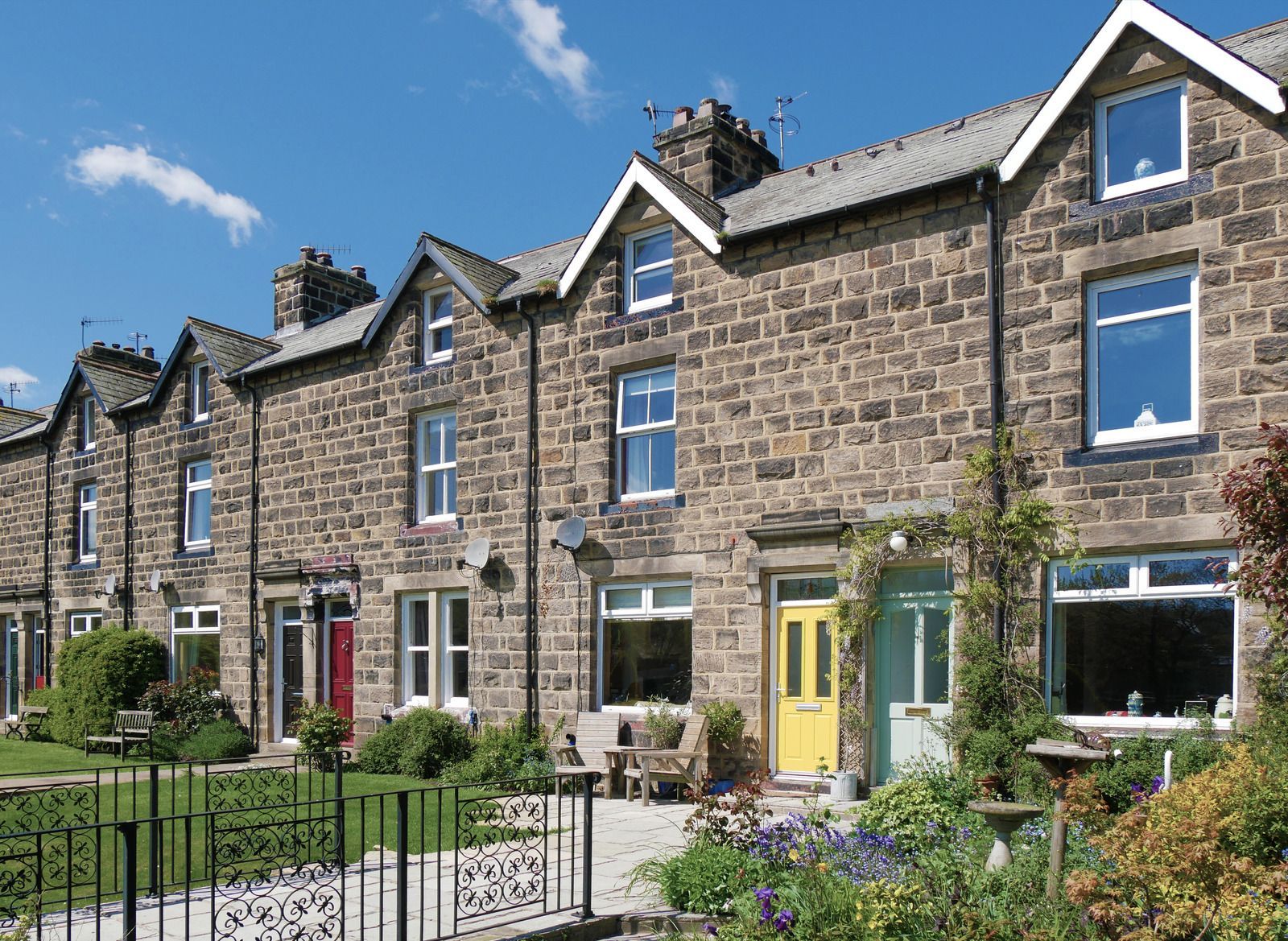
Northampton grew fast during its boot and shoe years, throwing up long rows of terraced housing packed close together. Those streets are handsome, but they're narrow, and the houses shade each other for large parts of the day.
When your neighbour's roof and wall block the low winter sun, your tiles stay damp even longer. Add the still air between buildings and you get exactly the sheltered, humid pocket moss thrives in.
And it's not just the terraces. Older parts of town with tall boundary walls and close-set houses all share the same problem of shade and trapped moisture.
4. Overhanging trees make everything worse
Northampton has some lovely leafy pockets, from the mature trees around Abington Park to the greener suburban roads further out. Those trees are great to live near. They're less great for your roof.
Overhanging branches drip onto tiles, drop leaves that rot into the gutters, and cast shade that stops the roof drying. Falling debris also leaves a thin layer of organic muck that moss feeds on directly.
So a house under trees usually greens up faster than an open one down the road. If you've got branches reaching over your roof, that's part of your answer.
5. Porous roof surfaces give moss a grip
Not every roof holds moss equally. Smooth, dense Welsh slate sheds water and stays cleaner. Rougher, more porous surfaces hold water and dirt, and that's where moss digs in.
Plenty of Northampton's post-war and later estates were roofed in concrete tiles. As those tiles age, their surface coating wears away and the concrete underneath turns rough and thirsty. That rough face is ideal for spores to settle and root.
Older Collyweston limestone slate is porous too. It's beautiful, but it drinks water, so it needs gentle care rather than a harsh clean that would damage the soft stone.
6. Clearing it and keeping it away
Once moss is established, scraping alone won't fix it. The roots stay in the joints and it grows straight back. The method that actually works is a soft wash, low-pressure water plus a biocide that kills the growth down to the root.
After treatment the dead moss weathers off over the following weeks, and the biocide keeps regrowth slow. A few habits help it stay clear for longer:
- Cut back overhanging branches so more light and air reach the tiles.
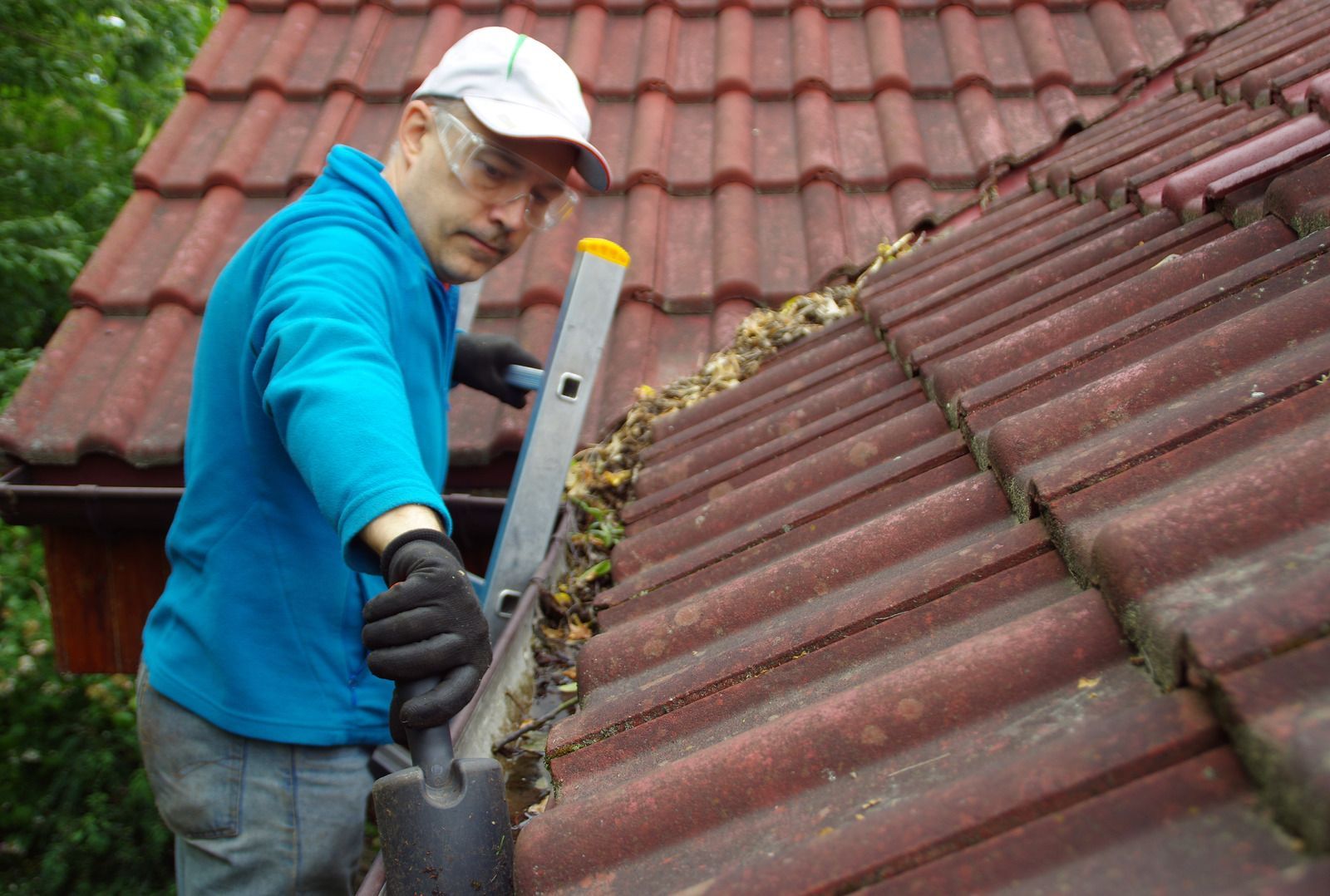
- Keep gutters clear so water drains instead of sitting and feeding moss at the eaves.
- Watch the north slope , since that's where regrowth shows first.
- Book a gentle clean every few years rather than waiting for a thick green carpet.
- Skip the pressure washer , which damages tiles and drives water under them.
Frequently Asked Questions
Is moss actually damaging my roof or just ugly?
Both. Thick moss holds water against the tiles, works into joints, and can lift slate edges. Chunks of it also break off and block gutters, so it's more than a cosmetic issue.
Why is only one side of my roof green?
That's almost always the north-facing slope, which gets the least sun and stays damp longest. In our climate that shaded side is where moss nearly always takes hold first.
Can I just pull the moss off myself?
Pulling it off leaves the roots behind and it regrows quickly, and climbing on tiles is risky and can crack them. A proper soft wash with biocide treats it at the root and is much safer.
Will the moss come straight back after a clean?
Not quickly. A biocide treatment keeps regrowth slow for a good while, but Northampton's damp means no roof stays clear forever, so a repeat every few years is normal.
Does having trees near my house mean constant moss?
It makes moss more likely because of shade and dripping debris. Cutting back overhanging branches and keeping the roof and gutters clear goes a long way to reducing it.
Is moss taking over your roof?
Ben's Roof Cleaning works across Northampton and Northamptonshire, with over 15 years of experience. Get in touch or call 01604 213223
for a free, no-obligation quote.
Beat the damp and the moss loses its grip
Moss isn't a sign you've done anything wrong. It's just what happens when Northampton's damp climate meets a shady, north-facing slope on a close-built street. Understand why it settles where it does, treat it gently at the root, and keep an eye on the slopes that never see the sun. Do that and the green stops winning.